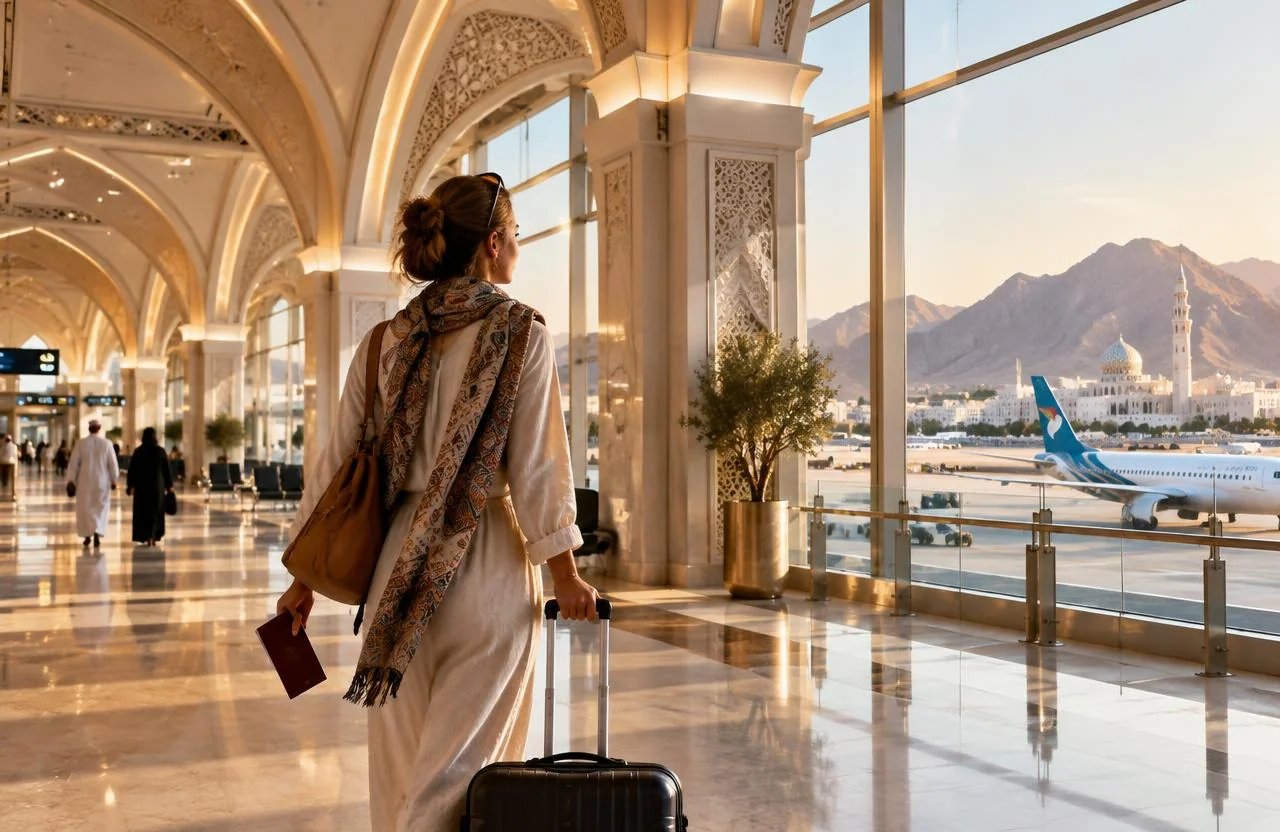

Oman is one of the safest, friendliest and most rewarding countries in the Middle East — but a little preparation goes a long way. These are the practical tips we share with every guest before their first visit, from entry requirements to everyday etiquette.
Entry requirements and visas
Visa rules for Oman depend on your nationality and length of stay. Many visitors can apply online through the official Royal Oman Police eVisa portal, and some nationalities are eligible for short visa-free stays.
Rules change, so always check the latest requirements on the official government website before booking flights. Your passport should be valid for at least six months from your arrival date.
Money and payments
The local currency is the Omani Rial (OMR), one of the world's highest-value currencies. Cards are widely accepted in cities, hotels and restaurants, but carry some cash for souqs, small cafés, fuel stations in rural areas and tips.
- ATMs are easy to find in Muscat, Nizwa and Sur
- Remote mountain and desert areas may be cash-only
- Tipping is appreciated but not mandatory
What to wear in Oman
Oman is a conservative country, and modest dress is respected. In public, both men and women should cover shoulders and knees. Swimwear is fine at hotel pools and beaches, but cover up when leaving them.
To visit the Sultan Qaboos Grand Mosque, women need a headscarf and clothing covering arms and legs; men need long trousers and covered shoulders.
Getting around
Distances in Oman are large and public transport between sights is limited. Most visitors travel by car. Main roads are excellent, but mountain roads such as Jebel Akhdar and Jebel Shams, and desert tracks, require a 4WD and experience.
A private driver-guide is the most relaxed way to travel — you avoid unfamiliar routes and gain local insight along the way.
Local etiquette
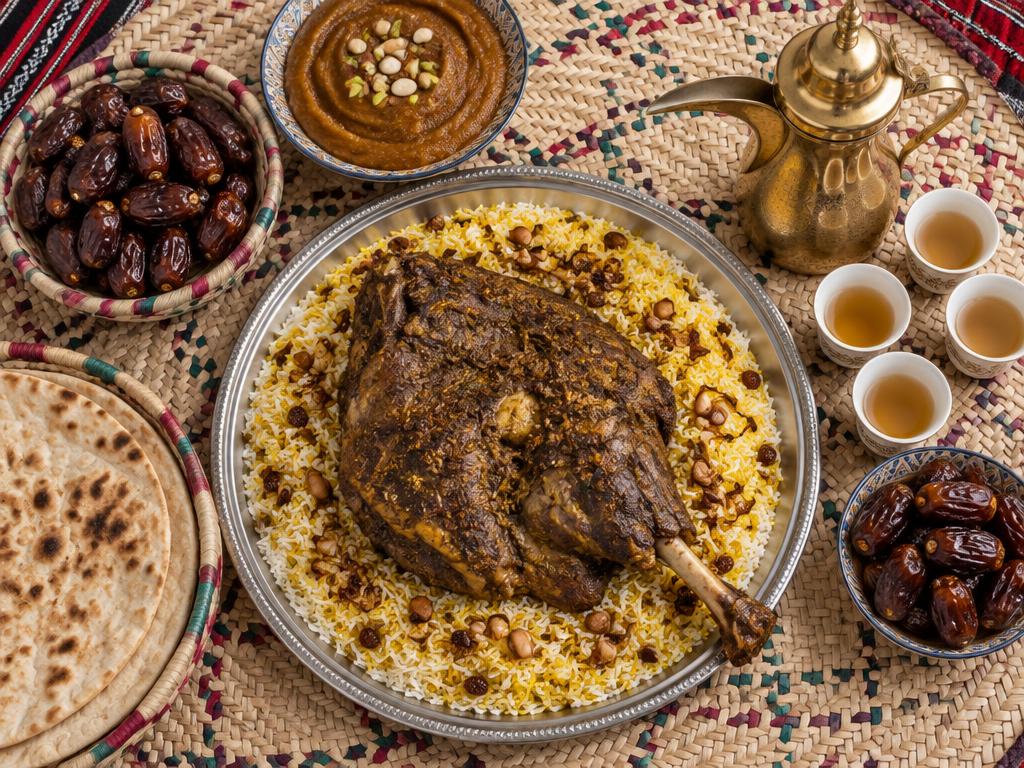
Omanis are famously hospitable. If you're offered kahwa (coffee) and dates, accepting is polite. Use your right hand for eating and greeting, ask before photographing people (especially women), and avoid public displays of affection.
During Ramadan, avoid eating, drinking or smoking in public during daylight hours.
Staying safe and healthy
Oman has very low crime rates. The main risks are natural: heat, sun and sudden wadi floods. Drink plenty of water, use strong sunscreen, and never enter a wadi during or after heavy rain. Comprehensive travel insurance is strongly recommended.
Inspired by this guide?
See it on a real journey