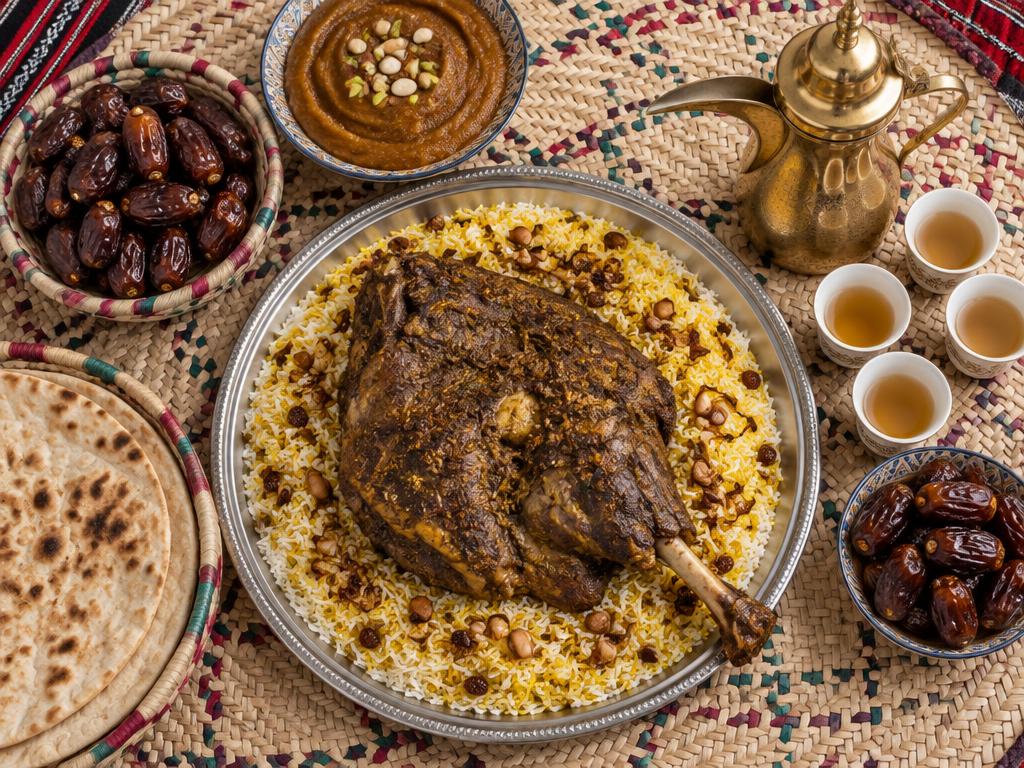

Omani cuisine is one of the quiet pleasures of traveling here. Shaped by centuries of trade with India, Persia and East Africa, it's fragrant without being fiery — built on slow-cooked meats, saffron rice, fresh seafood and the famous hospitality of kahwa and dates.
Shuwa: the celebration dish
Shuwa is Oman's most famous dish — lamb or goat marinated in spices, wrapped in banana leaves and slow-cooked in an underground sand oven for up to 48 hours. The meat emerges impossibly tender and smoky.
Traditionally prepared for Eid and weddings, shuwa is a communal event: whole villages gather to lower the meat into the pit. Some restaurants in Muscat and Nizwa serve it on weekends — ask us and we'll point you to the real thing.
Majboos, mashuai and everyday rice dishes
Majboos (also called kabsa) is the everyday staple: spiced rice with chicken, lamb or fish, colored with saffron and topped with fried onions and raisins. Mashuai is the coastal version — roasted kingfish served over lemony rice.
Harees — wheat and meat beaten into a smooth porridge — is a Ramadan favorite, while orsia is a similar slow-cooked lamb and rice dish from the interior.
Halwa and kahwa: the heart of Omani hospitality
No visit to an Omani home begins without kahwa — light, cardamom-scented coffee poured from a dallah pot into small cups, always accompanied by dates. It's polite to accept at least one cup; a gentle shake of the cup means you've had enough.
Omani halwa is the national sweet: a glossy, gelatinous confection of sugar, rosewater, saffron, cardamom and nuts, stirred for hours in copper pots. Every family has a preferred maker — Nizwa's souq is a great place to taste and buy.
Seafood and coastal cooking
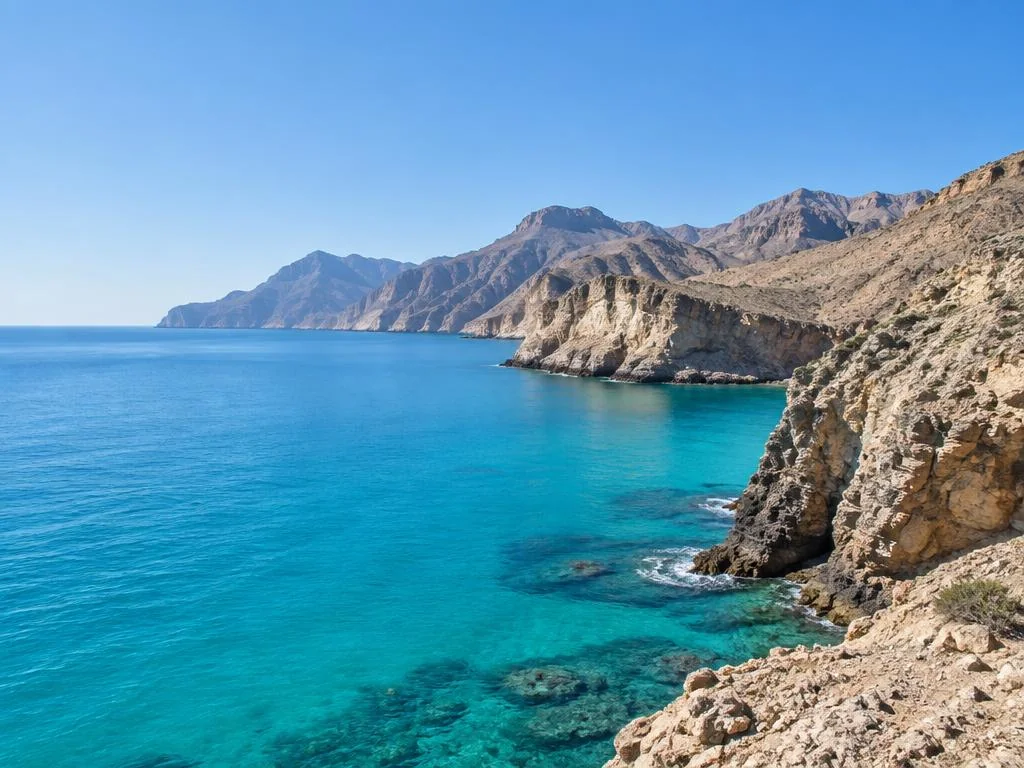
With over 3,000km of coastline, Oman eats brilliantly from the sea. Look for grilled kingfish, tuna, hammour and shrimp, often simply cooked with lime and local spices. In Sur and Salalah, beachside grills serve the day's catch at sunset.
Where and how to eat
A few practical notes for food-loving travelers:
- Local restaurants are casual and inexpensive; hotel restaurants serve international menus
- Friday brunch is a Muscat institution, from humble cafeterias to five-star spreads
- Alcohol is served only in licensed hotels and restaurants
- During Ramadan, many local eateries open only after sunset — the iftar buffets are worth planning around
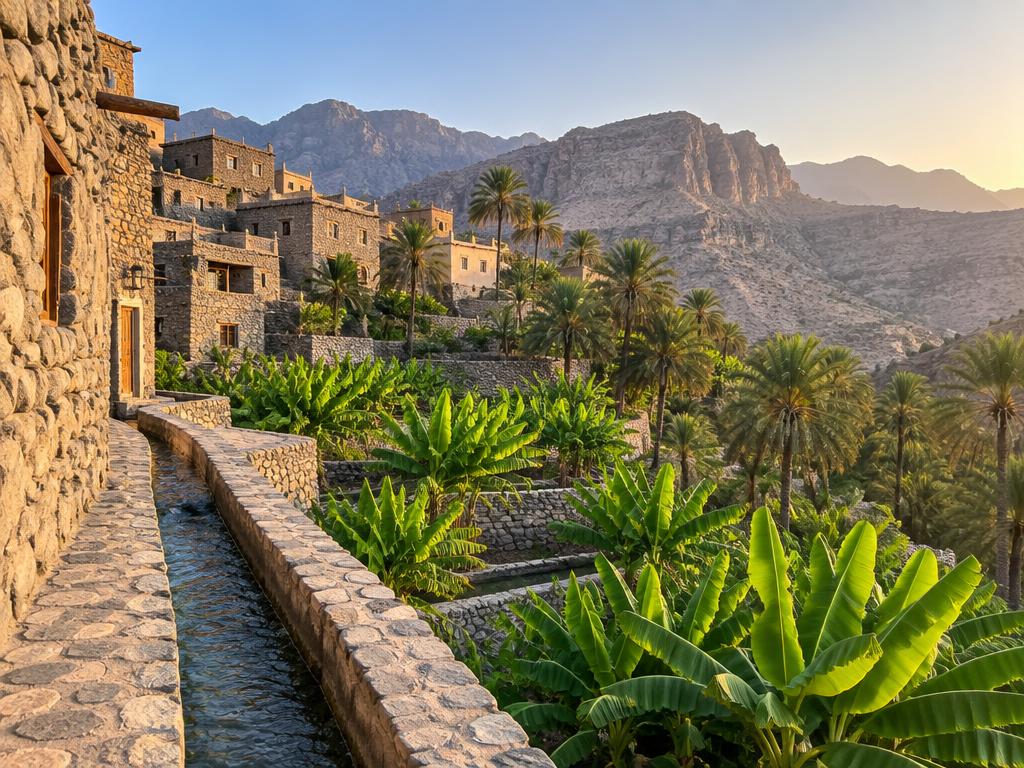
- Don't miss the fruit: Omani dates, pomegranates from Jebel Akhdar, and Salalah's bananas and coconuts